Do You Really Need Primer Before Painting? Here's What Every Homeowner Should Know

If you've ever walked through the paint aisle, you've probably seen cans labeled "Paint and Primer in One." It sounds like you can skip priming altogether—but is that really the case?
The short answer is no.
While modern paints have come a long way, there are many situations where a dedicated primer is still essential. Using the proper primer can mean the difference between a paint job that lasts for years and one that begins peeling, flashing, or failing much sooner than expected.
At Atlantic Finish, we believe every great paint job starts with proper preparation. That includes choosing the right primer for the surface we're painting.
What Does Primer Do?
Primer isn't designed to make your walls look beautiful—it's designed to make your paint perform better.
A quality primer helps:
- Create a strong bond between the surface and the paint.
- Seal porous materials so paint dries evenly.
- Improve color uniformity and coverage.
- Block stains, smoke damage, and water marks from bleeding through.
- Prevent peeling and premature paint failure.
- Protect certain surfaces from moisture and corrosion.
Think of primer as the foundation of your paint system. Without a solid foundation, even the best finish paint can't perform at its full potential.
Isn't "Paint and Primer in One" Enough?
This is one of the most common questions we hear.
Products labeled "Paint and Primer in One" are excellent finish paints. They provide great coverage and adhesion over previously painted surfaces that are clean and in good condition.
However, they are not a replacement for specialty primers when the surface requires one.
Professional painters still rely on dedicated primers because each type is designed to solve a specific problem.
When Should You Always Use a Dedicated Primer?
New Drywall
Fresh drywall and joint compound absorb paint differently. Without drywall primer, walls often develop a blotchy appearance known as flashing.
Bare Wood
Wood naturally absorbs moisture and paint at different rates. Primer seals the wood, improves adhesion, and creates a more uniform finish.
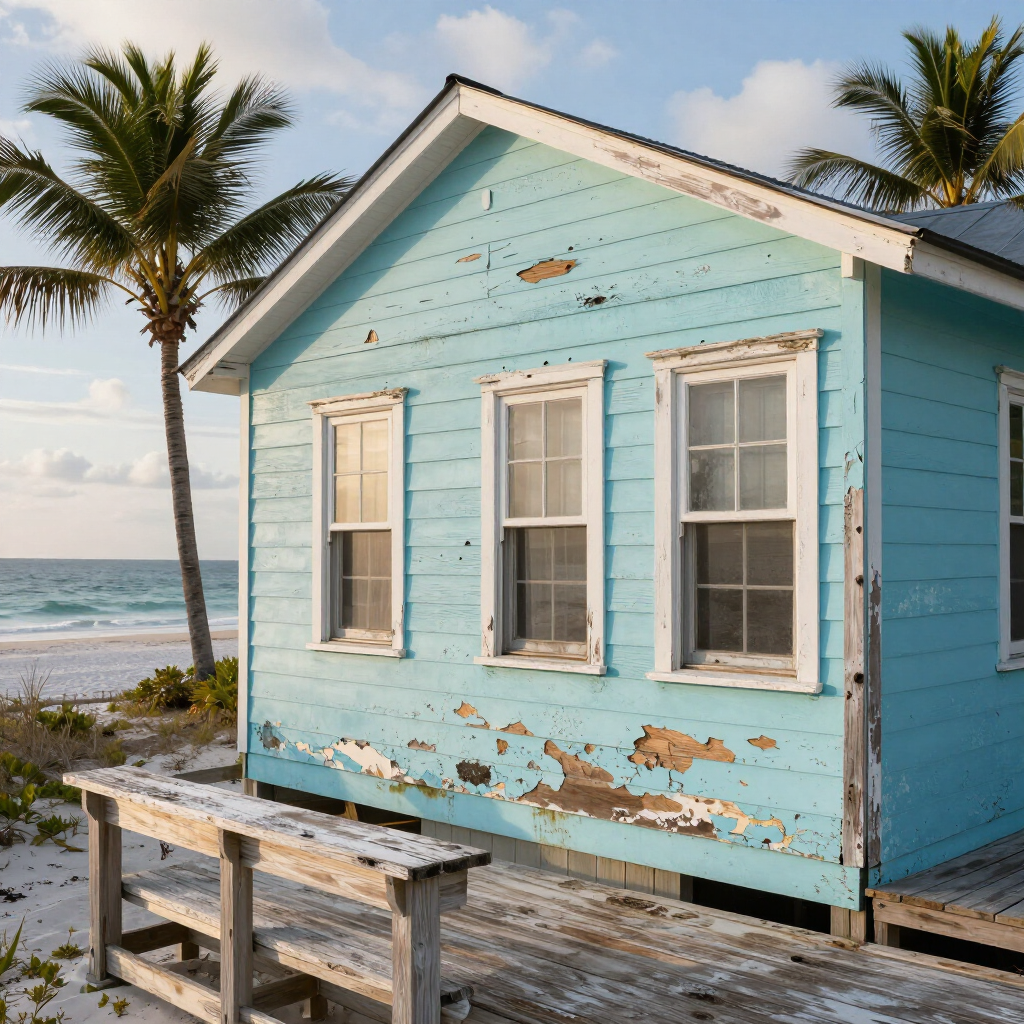
Exterior Surfaces with Peeling Paint
After scraping loose paint, exposed areas should be properly primed before applying finish coats. This helps lock down the repaired surface and improves the longevity of the new paint system.
Metal Doors, Railings, and Trim
Bare metal should always receive the proper metal primer to help prevent rust and promote long-lasting adhesion.
Water, Smoke, or Tannin Stains
Specialty stain-blocking primers prevent stains from bleeding through fresh paint, saving homeowners from seeing those marks return later.
Masonry, Stucco, and Concrete Block
These surfaces can be highly porous and may require masonry-specific primers or sealers to ensure proper adhesion and a consistent finish.
Why Skipping Primer Can Cost More
Some contractors skip primer to reduce labor and material costs. While this may lower the initial price, it can also lead to:
- Uneven color and sheen
- Poor adhesion
- Peeling paint
- Early paint failure
- Additional maintenance sooner than expected
Proper preparation takes more time, but it helps deliver a finish that lasts longer and protects your investment.
The Atlantic Finish Difference
At Atlantic Finish, we don't believe in shortcuts.
Before every project, we evaluate the condition of each surface and determine the proper preparation process. That may include pressure washing, scraping loose paint, sanding, repairing damaged areas, caulking gaps, and applying the correct primer before any finish coats are applied.
Whether we're painting stucco, concrete block, vinyl siding, drywall, wood, or metal, we use products designed specifically for those surfaces—not a one-size-fits-all approach.
Final Thoughts
Primer may not be the most visible part of a paint job, but it's one of the most important.
Using the proper primer helps your paint adhere better, look better, and last longer. It's one of the biggest differences between a quick repaint and a professional finish that's built to stand the test of time.
If you're looking for professional interior or exterior painting services in Volusia County, FL, Atlantic Finish is committed to delivering beautiful, long-lasting results through proper preparation, premium products, and expert craftsmanship from start to finish.